
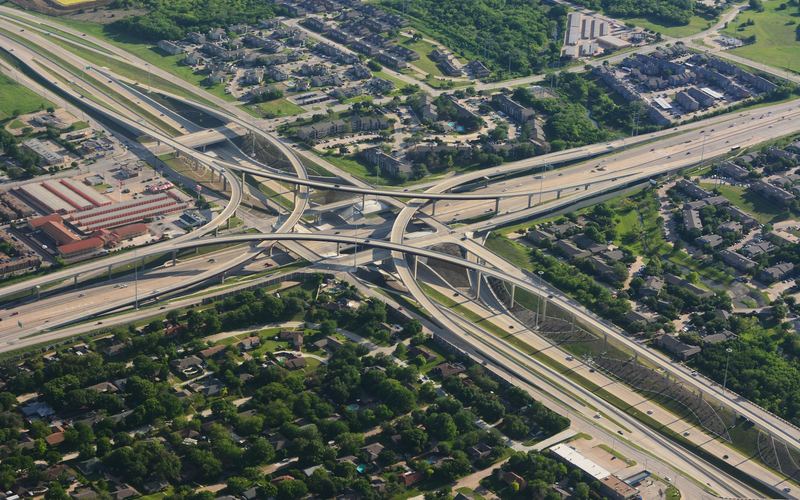
 Featured solutionHighway & Road ITS
Home / Solutions / Highways & corridors / Truck Parking & Port Access
Highways & corridors
Truck Parking & Port Access
Book, identify, weigh and direct trucks so they wait in a parking area and not on the road.
Conceptual workflow
- 1Book
- 2Arrive
- 3Park and wait
- 4Call forward
Illustration of the principle. Not a specific site or product.
Overview
What this solution delivers.
Trucks arrive at ports, terminals and logistics zones in waves. Without control they queue on the public road, block gates and park wherever there is room.
An access and parking system gives each truck a place and a time. Vehicles are recognised at the gate by number plate, held in a managed parking area, and called forward when the terminal is ready. Operators see every bay and every queue.
Typically for: port and terminal operators, logistics zone and industrial estate managers, road authorities and customs or security bodies.
At a glance
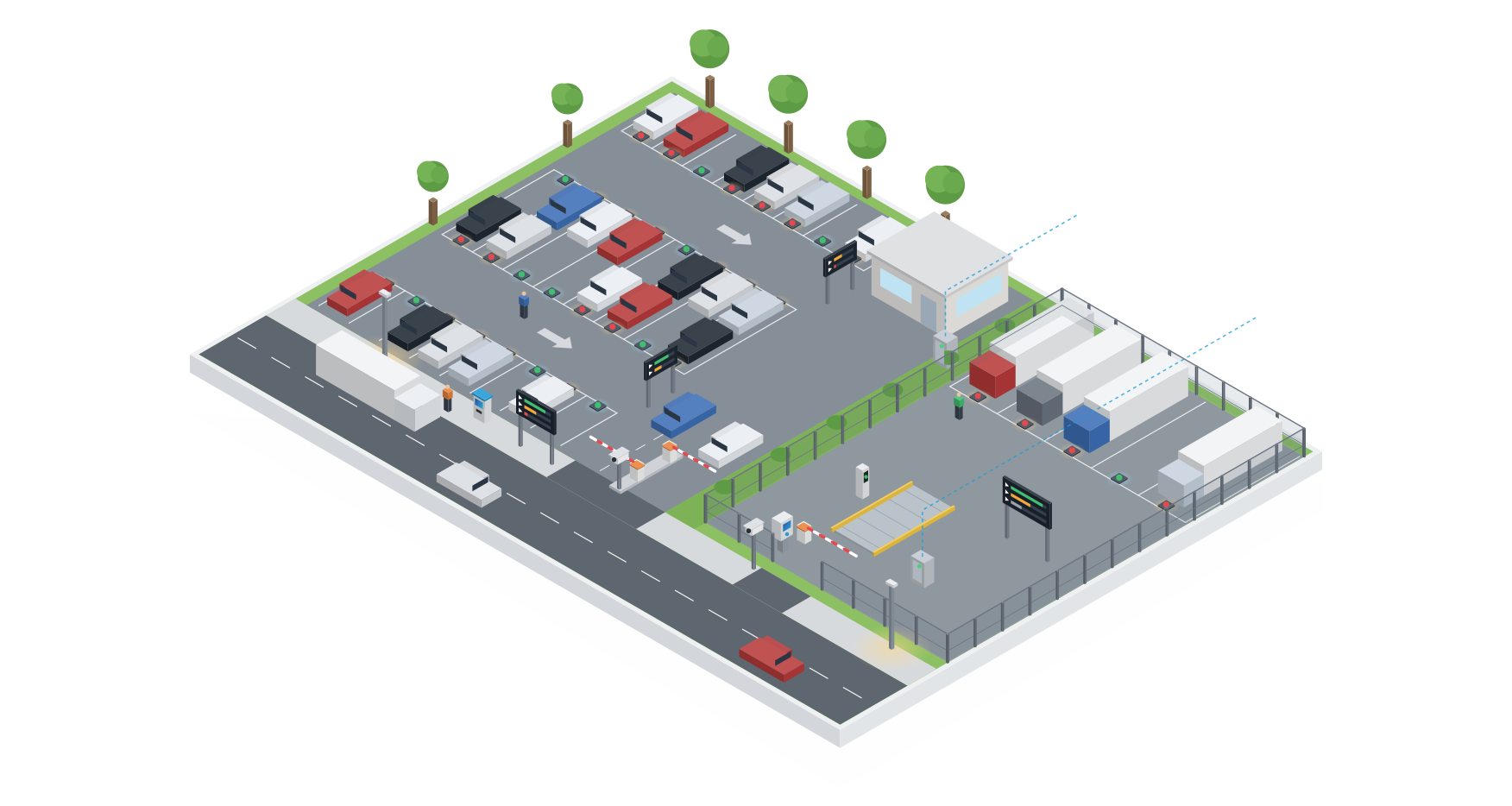
Every part of the system, in one picture.
Select a label to see what each device does. The 3D model below follows the system step by step.
Select a label
Truck Parking & Port Access
Every labelled part of the drawing is a device the system connects. Select one to see what it does.
Shows which truck bays are free, so drivers are sent to an empty one.
Tells waiting drivers when to move on to the terminal gate.
Connects the gate and the truck park to booking, terminal and security systems.
Keeps the gate working on its own if the link to the centre is lost.
Opens for vehicles that are registered or booked, and stays closed for the rest.
Reads the plate of each truck at the gate and matches it to its booking.
Lets the driver check in, or speak to the gate team when something is not right.
Weighs the truck on the way in, and the reading is linked to its visit.
Illustration. Generic equipment, not a specific home, site or product.
How it works
Follow the system, step by step.
Select a numbered point or a step. Drag the model to look around.
Drag to rotate · pinch or use + and − to zoom
Illustrative model. Generic equipment, not a specific site.
Challenges
What typically goes wrong.
Queues on the highway
Waiting trucks back up from the gate onto public roads.
Manual gate checks
Paper permits and visual checks slow every entry.
No view of spaces
Drivers circle to find a bay and operators cannot see what is free.
Overloaded vehicles
Weight is checked late, after the truck is already inside.
What we offer
What the scope can include.
Each project is scoped to its site. These are the parts we design, supply, integrate and maintain.
- Traffic and parking demand study
- Slot booking and pre-registration portal
- Number plate recognition at entry and exit lanes
- Barriers, lane signals and driver kiosks
- Bay detection and space guidance signs
- Weigh-in-motion or weighbridge integration
- Call-forward displays and driver messages
- Interfaces to terminal, permit and security systems
Technology categoriesANPR & enforcementWeigh-in-Motion (WIM)Software & platforms
Benefits
What changes for the people who run the site.
Shorter gate transactions
Pre-registered vehicles are recognised automatically.
Trucks off the road
Waiting moves from the roadside into a managed area.
Space that is visible
Operators and drivers know which bays are free.
A traceable visit
Each entry, stay and exit is recorded by vehicle.
Related solutions
Solutions that share sectors, settings or functions with this one.
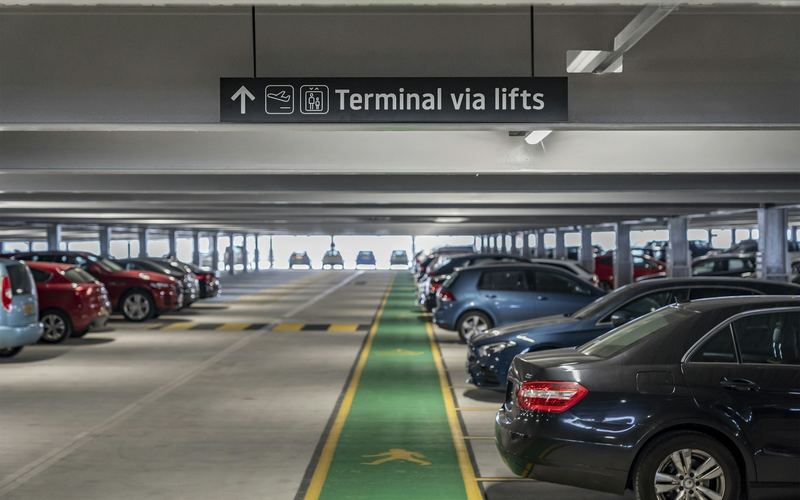 Urban mobility
Smart Parking & Access
Drivers find a space sooner. Operators see demand as it happens.
Explore solution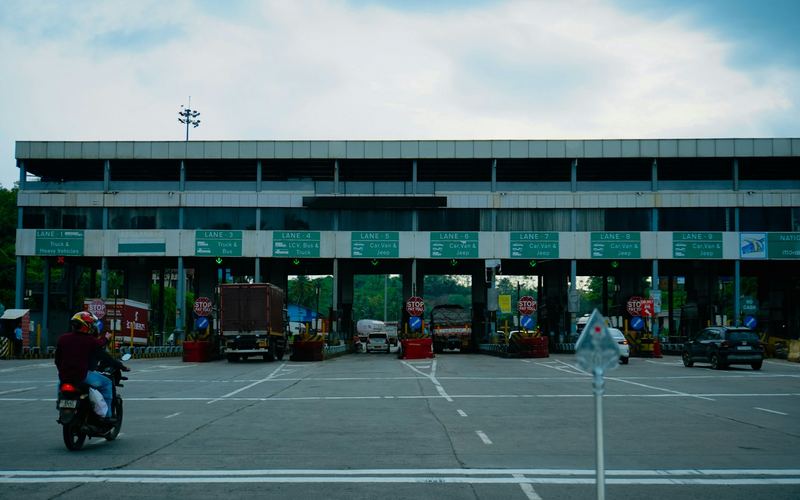 Highways & corridors
Tolling & Enforcement
Identify every vehicle accurately, at traffic speed.
Explore solution Buildings, industry & enterprise
Logistics & Warehouse Visibility
See every dock, every parcel and every vehicle, with video tied to the operational record.
Explore solutionAlso listed underTraffic & TransportationLogisticsParking LotsWarehousesANPR & EnforcementSmart ParkingVehicle Access Control
Questions
Common questions.
What happens when a plate cannot be read?
No reader captures every plate. Dirty or damaged plates go to an exception lane or a kiosk, where the driver is handled by an operator. The process for exceptions is designed from the start.
Which make of equipment do you use?
Equipment is selected against the project specification and confirmed at design stage.
Discuss truck parking and port access for your site.
The request opens with this solution already selected.